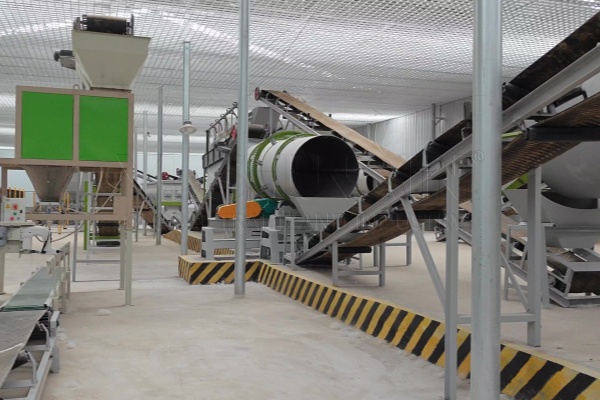
An organic fertilizer production line converts organic waste into marketable fertilizer products through several processing systems. It mainly handles livestock manure, straw, kitchen waste, or municipal sludge, etc. Therefore, the organic fertilizer manufacturing line supports both economic returns and environmental improvement. Thus, our company designs customizable organic fertilizer production solutions based on capacity, raw materials, budget, and plant conditions. No matter what kind of organic fertilizer you want to process, whether powder or granular, Yushunxin always has the equipment you need!
How to Choose The Right Organic Fertilizer Production Line Matters for Your Business?
Organic fertilizer production requirements differ significantly across raw material sources and application scenarios. Therefore, the organic fertilizer production line design must match material moisture, fermentation difficulty, and local environmental regulations. You can determine whether organic powder fertilizer making or granule manufacturing based on the market. Also, you can plan organic fertilizer drying process design around moisture and climate. We support organic fertilizer production procedure planning for both small plants and large factories worldwide.

For Livestock Manure Management Projects
Livestock manure remains the most stable organic fertilizer raw material worldwide. For example, pig manure, cow manure, chicken manure, and sheep manure supply remains continuous in many regions. However, fresh manure usually contains high moisture between 60% and 75%. Also, manure management projects require strict pathogen control, odor management, and moisture reduction. In addition, raw material moisture directly increases drying demand, and the fermentation cycle and turning efficiency directly affect overall animal manure organic fertilizer production capacity.
Indeed, manure fertilizer production adopt aerobic composting machines with with regular turning and oxygen supply. So you can use windrow composting systems oder groove composting systems. Also, you can choose a large wheel type compost machine for higher turning efficiency. Subsequently, the back-end organic fertilizer powder or granulation processes closely match the fermentation system. Meanwhile, manure formulas sometimes mix with oil cake, humic substances, bone meal, or biochar as functional additives.
Typical manure fertilizer markets include Southeast Asia with intensive livestock farming. Meanwhile, European customers focus more on sealed fermentation technology due to strict environmental standards. In addition, Latin America and the Middle East show fast growth in manure fertilizer manufacturing investments.
Agricultural residues include crop straw, rice husk, sugarcane bagasse, mushroom residue, distillers grains, and fruit processing waste, etc. These organic materials show high fiber content, high carbon-nitrogen ratios and loose structures, which help composting preparation and powder fertilizer production well as auxiliary materials. However, agricultural residue projects often face seasonal raw material supply challenges for organic fertilizer production. Also, the raw material preparation stage needs reliable crushing, uniform mixing, and effective screening. Thus, customers usually prefer low-energy fertilizer production systems with simple organic fertilizer machinery design.
For instance, India and Southeast Asia generate large volumes of straw and rice husk annually. So many customers invest in compost grinders for agricultural waste pretreatment. Ausserdeem, African agricultural regions prefer open composting systems due to low land costs. Ausserdeem, South American markets usually process sugarcane and coffee residues into organic fertilizer products.


Urban organic waste includes kitchen waste, green waste, municipal sludge, and other organic materials. Such projects usually operate under government or environmental protection enterprise leadership. Therefore, customers pay more attention to odor control, compact layout and closed processing systems than equipment cost. In practice, we often recommend applying horizontal or vertical compost fermenters for stable fermentation of urban organic waste. Then, you can equip automatic feeding, mixing, and discharge systems for continuous organic fertilizer powder production.
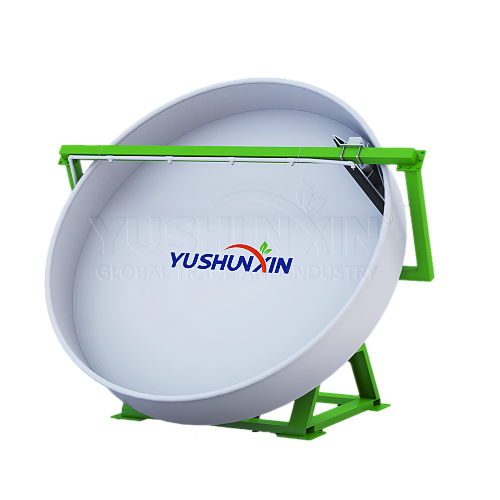
Additionally, your granulator choice affects pellet strength and appearance, usually like drum pelletizers oder disc granulators for round organic pellet making. Furthermore, the whole organic fertilizer production line can use drying, cooling, screening, and coating technologies for finished granule quality. Also, your plant can use deodorization units and dust removal equipment for environmental compliance. Generally speaking, typical customers for organic fertilizer environmental protection equipment include Europe, Japan, and South Korea, where highly need to handle urban waste. At the same time, several Middle Eastern countries actively invest in environmental protection plans to handle municipal organic waste efficiently.
Overall, an organic waste treatment project’s raw material affects organic fertilizer making types. Different raw materials create different demands for crushing intensity, moisture control difficulty, and particle forming stability. You should keep organic fertilizer factory cost within budget across diverse application scenarios.
Léisung 1: Cost-Effective & Simple Powder Organic Fertilizer Production Line
Many small and medium‑scale organic fertilizer plants prefer a simple system for quick returns. So our company suggests a compact organic fertilizer powder production line, because it uses fewer machines with low investment, limited area, and flexible capacity expansion. And here are the key features, procedure, and equipment configuration of a cost‑effective powder organic fertilizer production line.
Who Benefits from A Powder Organic Fertilizer Manufacturing System?
Many farms and small scale composting projects intend to choose powder organic fertilizer production system. These customers usually access raw materials like poultry manure, straw, and crop residues easily. Also, their fermentation site is limited, and they can directly produce the powdered organic fertilizer for farm use or sell it locally. Therefore, they prefer low investment organic fertilizer production equipment, for example, it avoids pelletizing and drying units. In addition, the pre-treatment workshop of a large agricultural company handles semi-finished organic waste in powder form for subsequent self processing without the need for granulation. Furthermore, startup organic fertilizer plants often test local markets using powder fertilizer products first. Then, you can upgrade the organic fertilizer powder plant later with a granulator or more pelletizers to build a full organic fertilizer granulation production line for gradual business expansion. Most powder fertilizer customers focus on moisture, composting cycle, dust control, and packing efficiency in powdery organic fertilizer production process.

How Much Does A Organic Fertilizer Powder Production Line Cost?
The total investment for a powder organic fertilizer line usually ranges from USD 35,000-90,000. Because this simple layout excludes drying and pellet making machinery, your initial cost and energy consumption remain low. Actually, workshop equipment area from feeding to packing occupies a fixed area of 350 m². And its total power is 50-150 kw/h. The fermentation area size determines the total powder organic fertilizer plant footprint and compost turner selection. Therefore, customers choose between civil construction composting or open windrow composting. Also, some regions need closed fermenting systems to control odor and pathogens. Anyway, your organic fertilizer powder equipment investment is flexible. As your output increases, you can optimize the organic fertilizer powder production layout design firstly from the composting process. Then, you may add a pelleting section later for organic fertilizer product expansion. Ausserdeem, some actions that increase powder fertilizer production line price depends on composting choices and the automation level of weighing, batching, and dust removal devices.

Powder Organic Fertilizer Production Process & Procedure
Making organic powder fertilizer requires 6 steps.

This organic fertilizer powder manufacturing procedure saves energy compared with traditional granulation technology. It also requires no large drying equipment. Consequently, you can shorten operation cost and workshop investment.
Key Organic Fertilizer Powder Processing Equipment Recommendation
Each composting technique is related to organic fertilizer production scale. Although this powdery organic fertilizer making solution focuses on powder processing, the design reserves space for future granulating or drying steps. Therefore, you can later extend the organic fertilizer production line with wet pelletizers or dry granulation machines to build a complete organic fertilizer granulation production system. Here are the recommended main organic fertilizer production equipment:
Open Windrow Composting Equipment
For small farms, an open‑windrow composting system suits low-budget organic fertilizer production projects. And 2 types of compost machines have less demand for civil engineering. It achieves economically efficient aeration and turning with flexible operation.
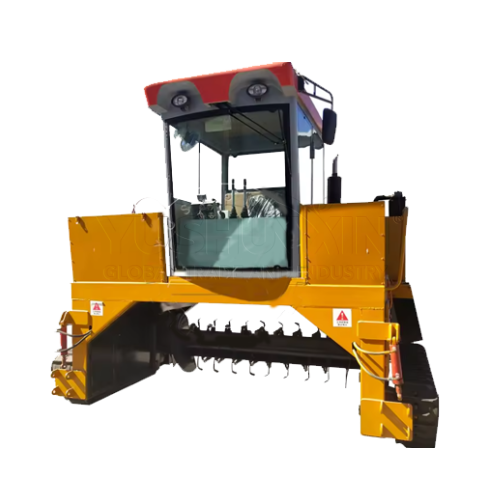
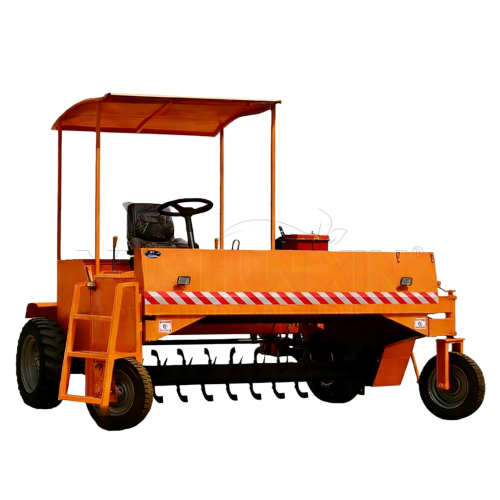
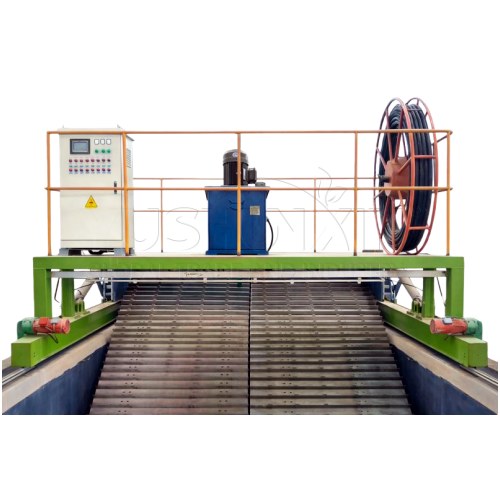
3 Types of Rail Type Compost Machines Options
The trough type compost machine has higher organic compost production capacity, requires simple construction of multi-grooves. And they improve fermentation efficiency through stable turning depth and width. For mid-scale plans, you can choose groove compost turner or chain plate compost machine. And the later can do continuous groove composting works. Ausserdeem, wheel type compost turners handle large composting areas.
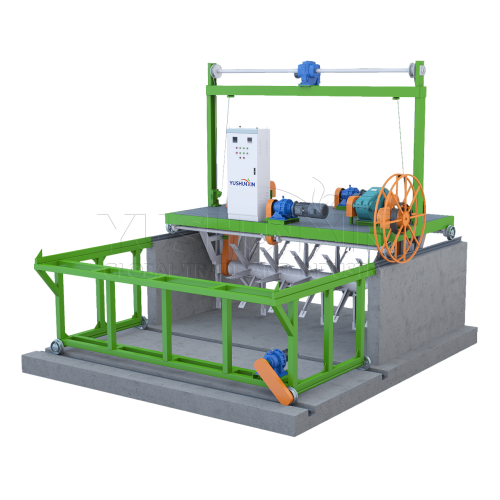

Compost Fermenters
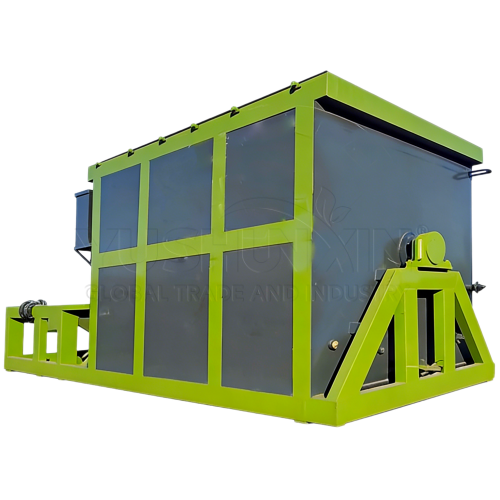
If your region enforces strict environmental policies, a fermenter tank system offers sealed organic fertilizer fermentation with no odor and no pathogen. However, horizontal or vertical compost fermenters occupy minimal area yet require higher investment. Still, this design ensures clean operation and rapid composting cycles within 24 Stonnen.

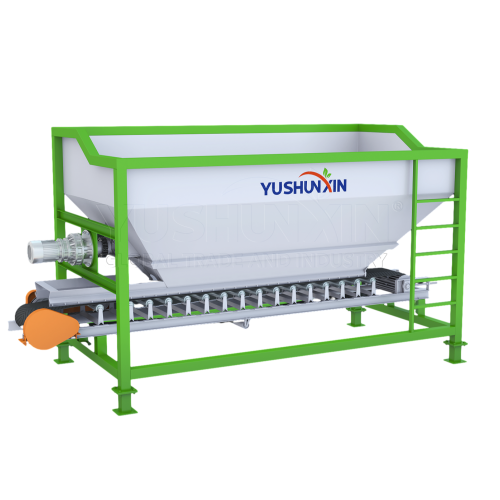
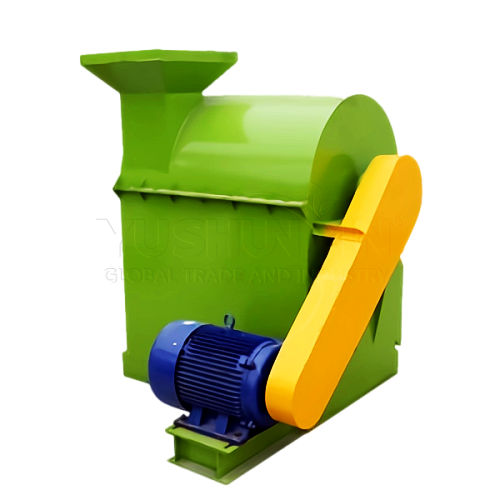
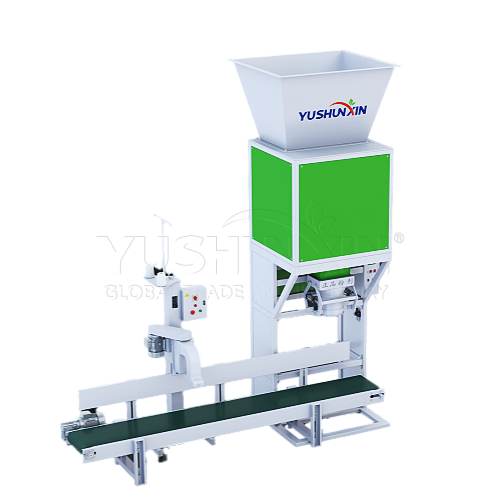
Our plant designs each powder organic fertilizer manufacturing line for smooth flow and easy maintenance. Core configurations include a feeding machine, vertical crusher, powder screening machine, automatic weighing and packaging system, and belt conveyors. Ausserdeem, you can additional select a dust‑collecting device to maintain a clean working environment.

Kritt elo gratis Devis!